

Psychomotor therapist and life coach, Ruba Jammoul
“Craft Your Destiny: Rediscovering Passion and Pursuing Ambitions?” – a captivating ad title that caught Ramy Ayad’s attention during his period of isolation and loss of enthusiasm to complete his path to success. This advertisement became the catalyst that led him to turn to “Rouba Jammoul,” a life coach and psycho-motor therapist. “What’s the Meaning of Life if Destiny is Tied to a Prescription?” – a question Ramy posed in his initial consultation with Coach Rouba Jammoul, serving as the motivating force for the beginning of his sessions with her.
Jammoul began her speech, “In the first consultation, I did not see just a twenty-year-old young man, but rather the expressions of fear and anxiety of a person trying not to be drawn into the spiral of depression.” Rami was trying to be the steadfast wall that supported his family after the death of his father, and he was not able to delve into his grief. The situation was forcing him to stand upright and carry the burden alone, abandoning his ambitions. The main reason for losing his passion is that he gave up studying engineering and took up his father’s job in the shop because it was the easiest way to secure life for his family. Jammoul explained, “I learned through my questions that the decisive point behind this path is implementing his father’s will to take care of the family and continue his career even though that is not the case.” His choice or opinion.” In an important detail that Life Coach mentioned about its adoption of the Life Coach technique in asking questions and analyzing his personality, it was stated that “Rami was not depressed, but rather afraid and did not want to reach the stage of depression.” After a long journey of sessions focused on these questions related to fears, goals, and problems, a A strategic plan organizes Rami's life and ignites the spark of hope in his eyes again by striking a balance between his work in the shop and his studies, which made him an engineer when he finished them.
Rouba emphasized the importance of individuals having a solid scientific background regarding life coaching, cautioning that the responsibility lies on the person if they don’t inquire about the coach’s studies and certifications. She warned against making choices based solely on trendy social media personalities. Responsibility also lies with the life coach, ensuring they are well-informed in their profession, acting with conscience to avoid exploiting human needs for financial gain. Some cases can have negative effects if life coaches cross professional boundaries and encroach upon the field of psychotherapy, highlighting the delicate line between the two.S
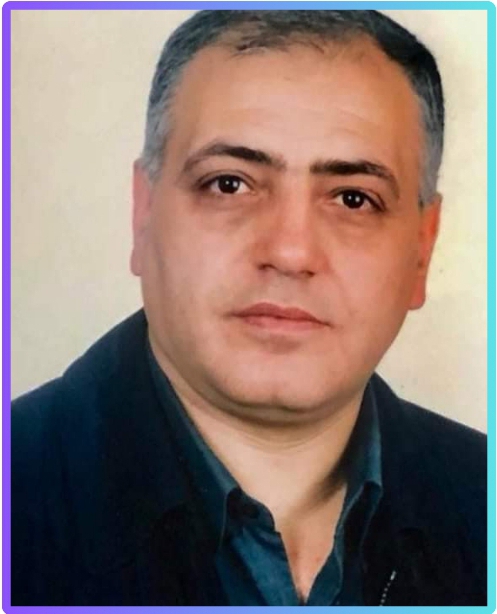
Psychotherapist Mahmoud Ghanawi
"In the human perspective, everyone considers themselves understanding of psychology and capable of helping others. A psychotherapist can perform the role of a life coach, while the latter believes they can replace a psychotherapist. Mahmoud identified life coaching as a field of amateurs who see themselves as having psychological understanding for a small fee. Mahmoud classified this work as illegal and illegitimate, unlike the established field of psychology." "Psychology is a stable philosophical science with over 22 branches, studying individual behavior through modern science, encompassing physical, cognitive, emotional, religious, spiritual, and socio-linguistic aspects. Despite profound studies in psychology, some individuals like Elon Musk don't believe in psychology and instead promote life coaching."
Mahmoud Ghannawi expressed the concept “a drowning person clings to a straw,” highlighting a patient suffering from severe depression. The patient's journey began in 2023, reaching a point of contemplating suicide upon returning to therapy. Mahmoud attributed the deterioration of the patient's condition to the life coach, using the label of analytical psychology chosen by the patient after discontinuing psychotherapy “The patient started lower-cost sessions, with the life coach diagnosing her based on life achievements, childhood traumas, and crises. This led to a need for medication alongside therapy upon her return to the workforce." Dr. Ghannawi finish with "An incorrect diagnosis from the psychological side harms the patient."
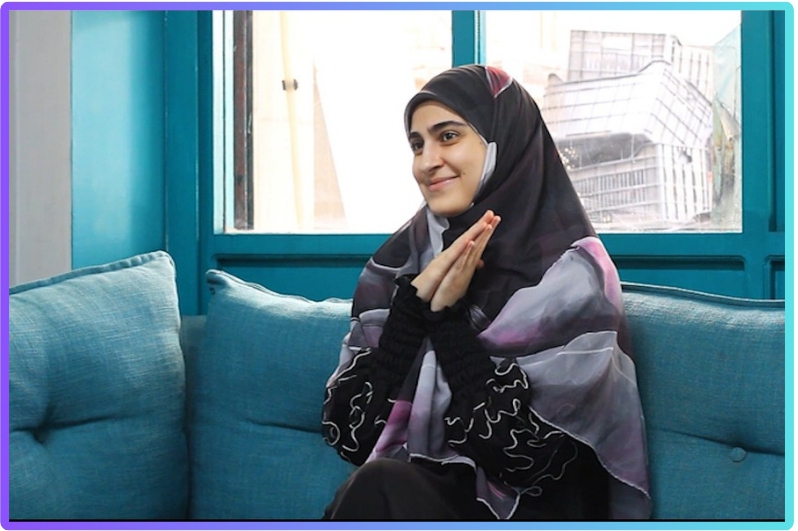
Life coach and psychology student Aya Turmos
“I want to improve my personality and mental well-being because my life came to a halt after the death of my son!” This sentence encapsulates the therapeutic journey with the life coach and psychology student Aya Termos. She recognized that the client is in a state of shock and needs both a psychotherapist and a life coach. Termos explained that the role of a life coach is limited to organizing the client’s life based on their skills and boundaries, far from materialistic motives. Blame would fall on the life coach if the client’s mental health is affected, emphasizing the importance of prioritizing the client’s well-being.
As the coach considered, “The fundamental problem is the variance in definitions of the role of a life coach among trainers,” she holds training centers in Lebanon and abroad responsible for granting certificates based on short video observations without undergoing training courses or assessments by experienced trainers. Termos expresses regret at the proliferation of certificate holders who are not qualified to work as coaches because "certificates are bought with money." Especially with the absence of supervision by the trainers, these unqualified individuals need follow-up and assistance from their mentors. Aya emphasizes the importance of reading in the world of life coaching because "there is a significant difference in opinions that contradict the non-negotiable standards." Reading expands their horizons and enables them to distinguish between sound principles and those conflicting with societal ethics, values, and norms. She highlights the crucial example of gradually introducing the concept of individual interest within principles that may become ingrained in an individual's thinking, neglecting the importance of the community's interest, leading to a genuine problem that may not be immediately apparent but will have consequences in the long run.
What are the differences between them?
Despite their differences in focus, life coaching and psychology intersect in improving personal life quality. Through both, self-understanding can be enhanced, and personal capabilities developed, contributing to achieving balance and comprehensive growth in an individual’s life. They set a commendable example for societal acceptance, as adapting to them and overcoming fear leads to coexistence and acceptance, allowing for open communication about their respective roles.
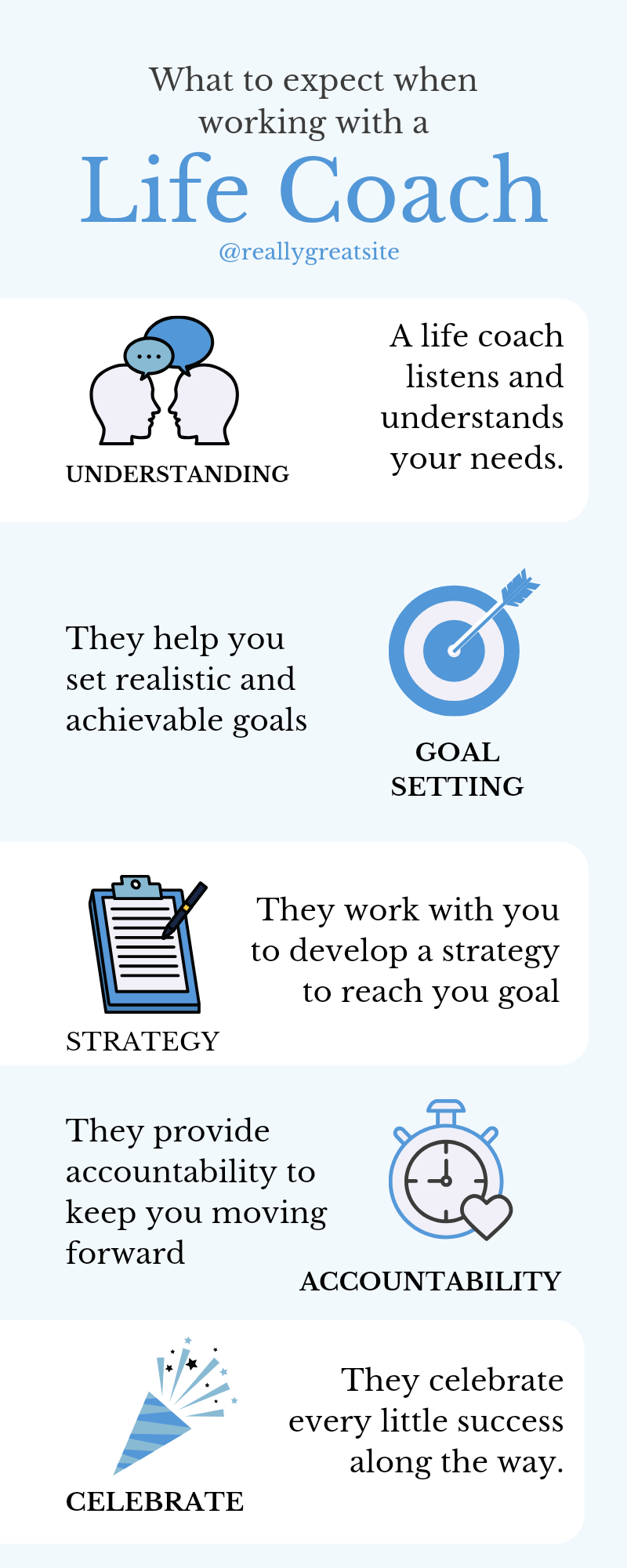
From a scientific perspective, psychologists Rouba Jamoul and Mahmoud Ghannawi unanimously agree that psychology is an academic specialization requiring 5 to 11 years of study, including training in specialized institutions, to qualify for diagnosing psychological conditions. Psychologists obtain permission to practice from the Ministry of Health and are subject to supervision by the Psychology Syndicate in all their activities. On the other hand, life coaching, as described by Jamoul, is not an academic specialization but consists of training courses lasting from months to a year to obtain a certificate. It does not require permission to practice, and it is not subject to supervision. Regarding ethics, Dr. Ghannawi emphasizes the full commitment of psychologists to professional confidentiality, with values and guidelines limited to their clinics when dealing with patients. Life coaching, on the other hand, lacks legal regulations but adheres to ethical principles that depend on the trainee’s conscience. The relationship can potentially turn into a personal one that exploits the patient. Jamoul highlights the three stages of dealing with a patient in psychology: diagnosis, treatment, and development. The first stage involves understanding the psychological reasons affecting the patient’s life, the second stage determines the treatment, and the third stage focuses on development after the patient’s recovery. As for life coaching, it involves two stages: listening, asking questions, and then developing a strategy to determine the desired goal. It is not concerned with diagnosis and prescribing treatment.